
Religious and philosophical objections
Religious and Philosophical Objections to Halal
How Sikhs, Hindus, Christians, Buddhists, Jains, Zoroastrians, humanists, and secular thinkers object to halal slaughter — in faith, conscience, animal welfare, and public institutions such as schools.
Sikhs
Sikhs are forbidden from eating Kutha meat, which is animal killed slowly or ritually in the name of a god. The Sikh Rehat Maryada (code of conduct) explicitly prohibits this. Halal slaughter, which involves a prayer to Allah and slow bleeding out, falls directly into this category. Sikhs believe such ritual killing is cruel and that dedicating food to another faith's deity conflicts with Sikh monotheistic principles.

In the United Kingdom this has become a practical issue in schools. Where halal meat is the only option on the menu, Sikh children are effectively forced to eat vegetarian meals, as they cannot consume halal and their dietary needs are not separately catered for. Sikh community groups and Gurdwaras have raised this repeatedly, arguing it represents unequal treatment compared to Muslim pupils. The matter has been taken to Parliament, with Sikh MPs and campaigners calling for school food standards to require non-halal meat options alongside halal ones, so that Sikh children are not left without a meaningful choice.

Conscious sheep on the slaughter conveyor before and during cutting
Source: Still from “HALAL SLAUGHTERHOUSE EXPOSED IN ENGLAND (EXTREMELY GRAPHIC)”, Joey Carbstrong / YouTube. Watch on YouTube
Hindus
Most Hindus object to halal on the grounds of ahimsa, the principle of non-violence. Many are vegetarian precisely because of this. For those who do eat meat, the method of slaughter matters deeply. The slow bleed of halal is considered unnecessarily prolonged suffering. Additionally, the invocation of a specific deity over the animal is seen as spiritually incompatible with Hindu practice. The cow is also sacred, and any association with organised animal slaughter carries religious discomfort.
Christians
The objection among Christians comes primarily from passages in Acts 15 and 1 Corinthians 8 to 10, where early Christians debated eating meat sacrificed to idols. Some denominations, particularly Orthodox and evangelical Christians, argue that halal meat, blessed in the name of Allah, constitutes food offered to a foreign deity and should be avoided. Others see it as a matter of conscience, following Paul's warning not to eat such food if it causes a brother to stumble.
Buddhists
Buddhism's core principle of ahimsa and the avoidance of causing suffering means many Buddhists reject any meat from animals killed by conventional slaughter methods. Halal specifically concerns them because the conscious throat cut and slow bleed is seen as prolonged, intentional suffering. Many Buddhists, particularly in the Mahayana tradition, are fully vegetarian and would reject halal on those grounds entirely.
Jains
Jains hold the strictest interpretation of ahimsa of any religion. The causing of any harm to any living creature is considered sinful. All Jains are vegetarian and most are vegan. The concept of halal is therefore wholly incompatible with Jain philosophy. Beyond the killing itself, the ritual dedication of an animal's death to a deity is considered a spiritually violent act.
Zoroastrians
Zoroastrians have specific purity laws around food. Animals must be killed as swiftly and painlessly as possible, which conflicts directly with the halal method of slow bleeding while conscious. Fire and purity rituals in Zoroastrian tradition also mean food blessed under another religion's invocation is considered ritually impure. Historically Zoroastrians in Iran and India have maintained their own slaughter practices entirely separate from halal.
Humanists
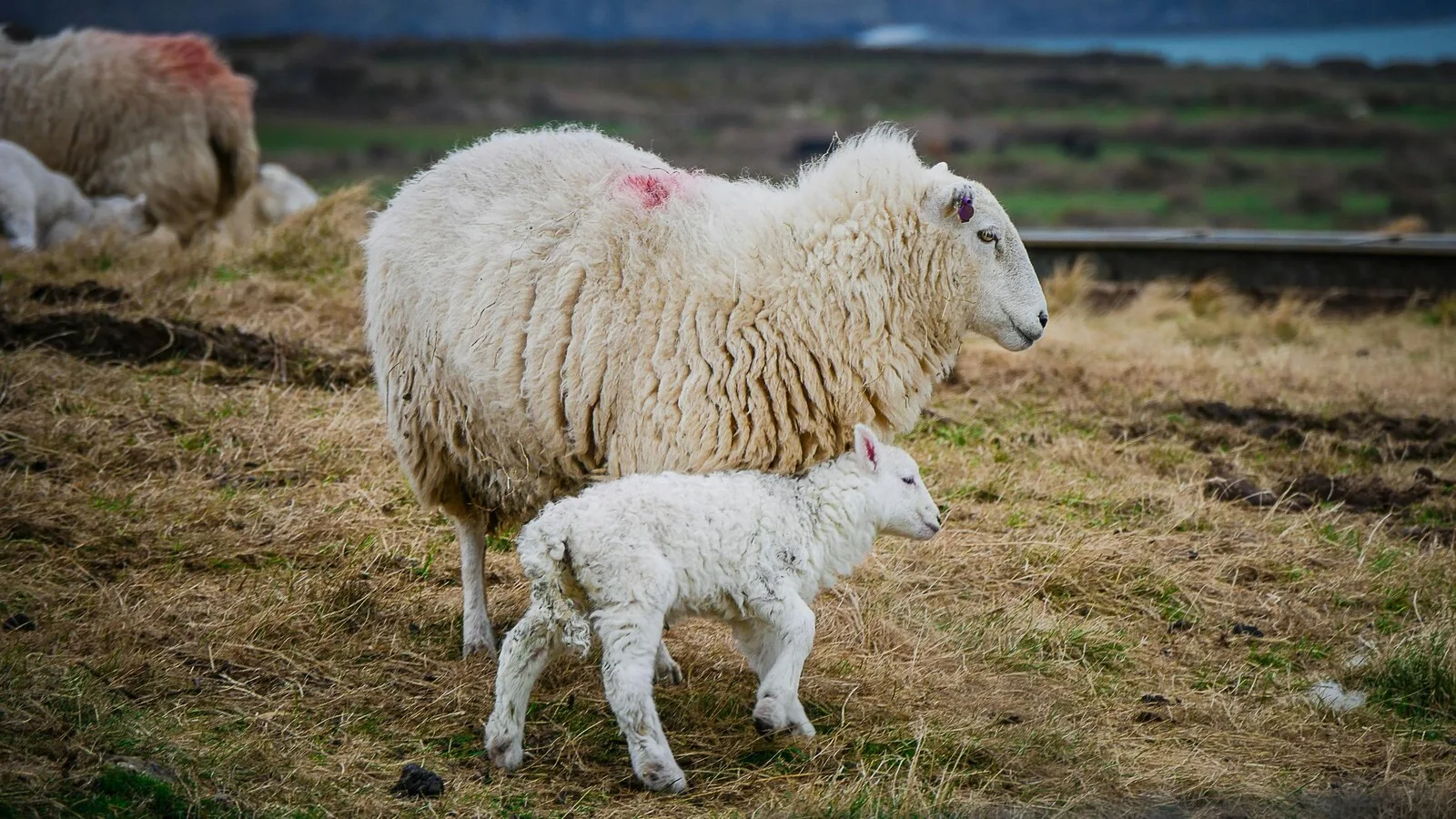
Humanists base their ethics on reason and human welfare rather than religious authority. Their objection to halal is rooted in animal welfare. The method of slaughter, particularly cutting the throat of a conscious animal and allowing it to bleed out, is considered cruel and unnecessary when effective stunning methods exist. Humanists argue that no religious tradition should be exempt from animal welfare legislation that applies to everyone else, and that the suffering of a sentient creature outweighs religious custom.
Atheists
Atheists as a group hold no unified position, but the philosophical objection common among secular thinkers is twofold. First, the same animal welfare argument applies. Second, many object to halal food being served without clear labelling, meaning non- believers are unknowingly consuming food prepared according to religious rites they have not consented to. The broader objection is that religious dietary practices should not be imposed on or hidden from those outside the faith, particularly in publicly funded institutions such as schools and hospitals.